KARÁCSONYI VALLOMÁS BUDAÖRS FÖLÖTT - VISSZA AJÁNDÉKOZOTT AJÁNDÉKOK CSODÁJA


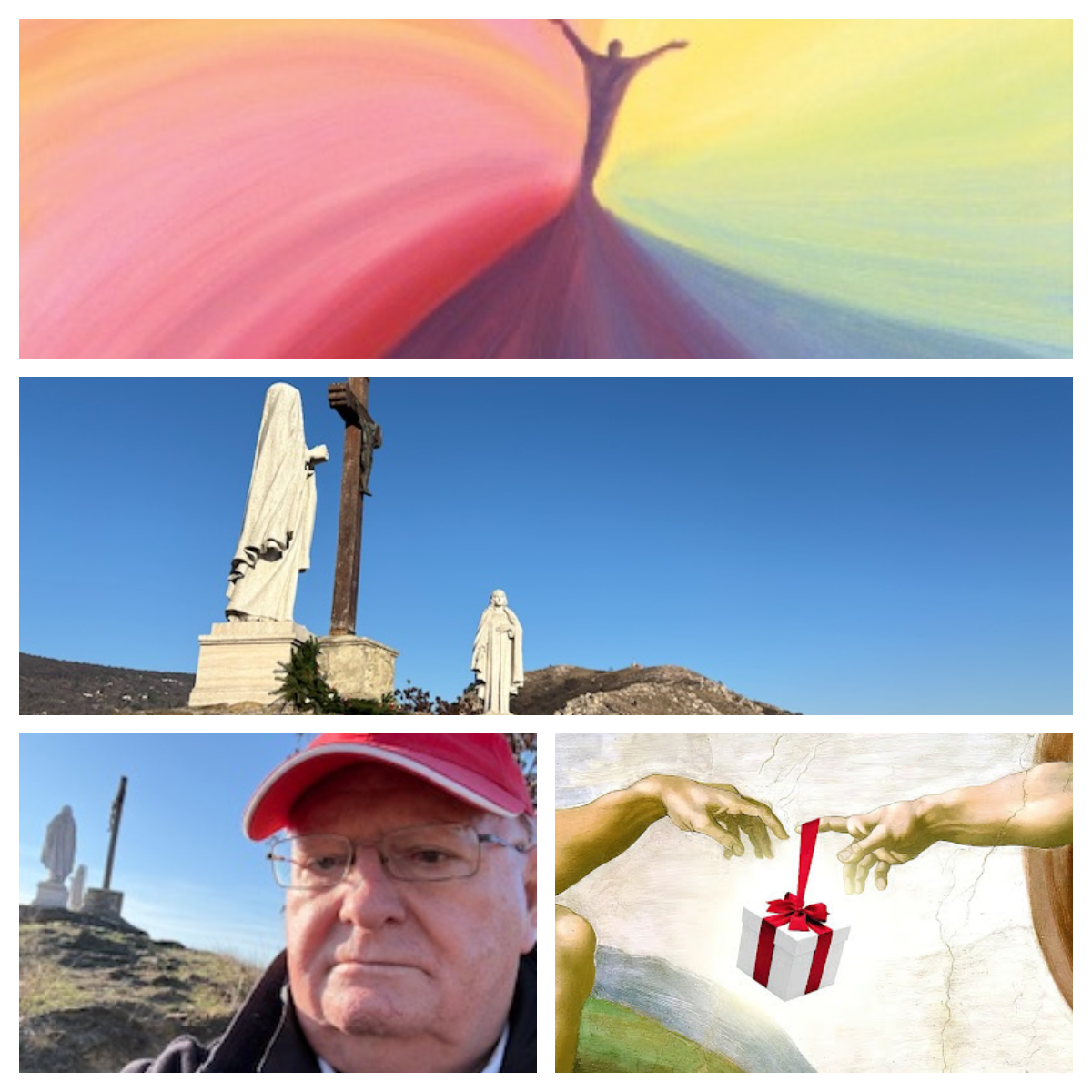
2025 karácsonyának szent másodnapján különös reggelre ébredtem. Bal szemem bevérzett. Próbáltam keresni az okokat: az utóbbi időben megerőltetett fordítói, írói munka, hosszabb autóút családommal, az autó meleg levegőjének zuhatagszerű szemembe áradása a vezetőülésen. Mivel jobb szememmel már történt ilyesmi, erős C-vitamin kúrára fogtam magam. Mindez elégtelen indoklás. Valami mást is éreztem. Azt, amiről kedves erdélyi hittestvérünk, Áprily Lajos írt. Próbáltam felidézni emlékezetemben versét:
Öregség, bölcs fegyelmezője vérnek,
taníts meg, hogy Csendemhez csendben érjek.
Ne ingerelj panaszra vagy haragra,
hangoskodóból halkíts hallgatagra.
Ne legyek csacska fecskéhez hasonló,
ritkán hallassam hangom, mint a holló.
A közlékenység kútját tömd be bennem,
karthauzi legyek a cella-csendben.
Csak bukdácsoló patakok csevegnek,
folyók a torkolatnál csendesednek.
Ments meg zuhatag-szájú emberektől,
könyvekbe plántált szó-rengetegektől.
Csak gyökeres szót adj. S közel a véghez
egy pátosztalan, kurta szó elég lesz,
a túlsó partot látó révülésben
a „Készen vagy?”-ra ezt felelni: — Készen.
Ez emberi csend legszebb cantus firmusaként, fő tételeként megfogalmazott sorai visszhangzottak lelkemben szinte minden lépésnél: „S közel a véghez/egy pátosztalan, kurta szó elég lesz,/a túlsó partot látó révülésben/a „Készen vagy?”-ra ezt felelni: — Készen”. Belső parancs indított arra, hogy az ajándékba kapott szikrázóan fényes kék ég alatt elinduljak kifelé a lakásból és felfelé. Az annyiszor, nehéz és boldog óráimban megzarándokolt budaörsi Kálvária dombra. Jó volt a friss szelet érezni, és a szélben beszívni a levegőnél sokkal-sokkal többet. A Budaörsöt, és szívemet beborító kéklő fényben Isten szent ragyogását. Szótávolságnyira.
Felballagtam a köves ösvényen, a stációk néma bizonyságtevő képei előtt. Csak az Útra és az Égre figyeltem. Szent, mély Isten-csendbe merültem. Mi tagadás, arra is gondoltam, talán ez az utolsó szent zarándoklatom a hegyre. Vagy, mert itt utoljára? Vagy, mert jövőre ilyenkor más tájakon vezet Isten-zarándoklatom? Nem tudhatom. De jó, nagyon jó, hogy Ő tudja. Nekem ez mindenre elég. 104 évet élt lelki nagymamám, a drága „győri” Erzsike Nénink lelki éneke jutott eszembe. Gyermekségem, kamaszéveim alatt visszatérő életvezetési refrénként hallottam soha nem perelő ajkáról.
Lassacskán felértem a Budaörs fölött található, állandó szent gyülekezethez. Gyülekezetemhez. Isten különös nyájához. Nem felekezeti, hanem lelki egyházához. Hiszen az Ige szerint „ahol ketten vagy hárman összegyűlnek az én nevemben: ott vagyok közöttük” (Máté 18,20). Igen, így van. Ámen. Ismételt nagy lelki tapasztalatom, hogy az egyház ott van, ahol a Szentlélek van jelen. Nem volt senki a budaörsi Kálvárián, csak én. Egyedül lettem volna? Nem, nem, soha. Soha és sehol! Itt sem. John Knox reformátor mondata jutott eszembe a mély Isten-csendben. Az őt megítélni s elítélni összegyűlt skót rendeknek ezt válaszolta: „Én Istennel egyedül is többségben vagyok”. Ma és a történelem végéig fundamentális igazság.
Mindig a legjobb földi társaságban van. Aki hisz a Feltámadott Jézus Krisztusban, a jászolbölcső Gyermekében már ott növekvő Isten Bárányában, a Királyok Királyában, nem szenved tér-idői magányban. A mélykék, nápolyi kéket is fölülmúló budaörsi Isten-kékségben, az Isten-közelséget éreztető budaörsi karácsonyi azúrban a Szentháromság mellett velem volt egy drága, további hármas. Ezt mindenki láthatja itt a Kálvárián: a fakereszt, Mária és János kőalakja.
A Magnificat anima mea Dominum/Magasztalja lelkem az Urat (Lukács 1,46) égre írt lelki himnuszának halkszavú imádkozó szentjévé. Egyetemes keresztyén női szentté, odaszentelt életté. A másik oldalon pedig János, a szeretett tanítvány, aki a legnagyobb földi kiváltságban részesült. Hiszen minden kiváltságlevelet, királyi, hercegi, grófi, nemesi címet adományozó okmányt, Nobel vagy Templeton díjat felülmúló ajándékot kapott: a legfájdalmasabb, mégis a legdicsőségesebb utolsó vacsorán Jézus vállára hajthatta fejét. Egyedül lenni ilyen szent és égi-földi zarándoktársak között? Micsoda istenkáromlás lenne!
Már szinte alig tudtam különbséget tenni a valós Kálvária és a mennyei Jeruzsálem lelki látványa között. Szívemben mindkettő eggyé ölelkezett. Millióknak felkínált drága, égbe emelő, ünnepszentelő Isten-ölelésben. És ki tudja miért, most immáron sokadszor a Krisztusért rajongó hitű, református énekszerzőnk, Vándor Gyula testvérem kedves éneke szólalt meg lelkemben:
Csend van bennem, és emlékezem,
Képe a múltnak, ím megjelen.
Vétket látok s gondozó kezet,
Szennyből, a sárból, mind kivezet.
Mért szeret Isten, mért szeret még?
Hogy lehet, mért nem mondja ki elég!
Féltő karja újra átölel, megtört kezéhez szívem közel.
Csend van bennem, és emlékezem.
Mily sok ajándék, nagy kegyelem.
Mily sok áldás, mily sok türelem,
Kísérte végig az életem.
Mért szeret még?
Csend van bennem és emlékezem,
Sokszor volt könnyes mindkét szemem.
Oly sok bánat, fájdalom is ért,
Hozzá futottam irgalomért.
Mért szeret még?
Csend van bennem és emlékezem,
Hála, dicséret él szívemen.
Hogy köszönjek múltat és jelent,
Új napon védő, őrző kezet.
Mért szeret még?
Meghallgatható ITT.
Megtérésemkor. Leroskadva akkor és ott, lélekben most itt a budaörsi Kálvária dombon, szent karácsony másodnapján, bevérzett, de még látó szemmel, csak ennyit tudtam kimondani:
Igen, Uram. Legyen meg a Te akaratod. Készen…
Dr. Békefy Lajos/Felvidék.ma

KARÁCSONYI SZÉP AJÁNDÉKOK A
LELKIPÁSZTOR-ÍRÓNAK,
SPIRITUÁLIS PUBLICISTÁNAK
URAM, EZT IS NEKED KÖSZÖNÖM!
AJÁNDÉKOK, MELYEK AZ AJÁNDÉKOZÁS ÖRÖMÉT ADTÁK
| Wed, Dec 24, 7:51 AM (2 days ago) | |||
| ||||
Dear Rev. Dr. Lajos,
Thank you for the Christmas blessings and the article. Here is the link to the article: https://chinachristiandaily.com/news/culture/2025-12-24/mary-looks-with-prayerful-adoration-at-god-recognized-in-the-child-the-great-spiritual-turning-point-of-european-history-of-painting-15924

We hope you are recovering from the illness and everything is well with you.
We wish you a happy Christmas and a happy New Year,
As always,
Karen
2025年12月22日 星期一 下午 7:31,lajos Békefi Dr <paxvobis2016@gmail.com> 来信:
6 nappal ezelőtt — minden élők útján korán hazament Széki Patka László költészetét elemzi Dr. Békefy Lajos. Politikai látképekkel jelentkezik Dr. Birkás Antal, aki Nagy.
https://felvidek.ma › tag › dr-bekefy-lajos-rovata
2 nappal ezelőtt — Békefy Lajos 2025.12.24. Zúgott a Balti tenger felől a fagyos decemberi szél. Üvöltve hordta az orosz síkság felől a havat. Pillanatok alatt hatalmas hófalakat ...
Az ajándékozás lelki kultúrája és valósága - Dr. Békefy ...
https://aranyagancs.hu › 2025/12 › az-ajandekozas-lelki...
7 nappal ezelőtt — Ars donandi – az ajándékozás művészete, sajátosságai. Az ajándékozás szokásának majdnem olyan régi a története, és gyakorlata, mint maga az emberiség.
2 nappal ezelőtt — Magyar református lelkészként, szívemben a baltikumi magyar-német misszió álmával. Az evangélikus templomban összejövő maroknyi magyar gyülekezethez. A csontig ...
Erdélyi Református Egyházkerület
PDF
23 órával ezelőtt — | dr. BÉKEFY LAJOS |. Várakozás, amely átformál. A várakozás számunkra gyakran a tét- lenséggel, a bizonytalansággal azonos. Azonban Istenre várni nem passzív ...
MEGJELENT! Megjelent! megjelent!
https://aranyagancs.hu › 2025/12 › megjelent-megjelent...
7 nappal ezelőtt — Az ajándékozás lelki kultúrája és valósága – Dr. Békefy Lajos írása · lajos 5 ... Az ajándékozás lelki kultúrája és valósága – Dr. Békefy Lajos írása ...
KÖSZÖNÖM URAM, HOGY ZSOLTÁROS KORBAN IS ...
https://out.kdnp.hu › kdnp.hu › protestans-muhely › kos...
5 nappal ezelőtt — ... 2024-es visszaemlékezését: KÖSZÖNÖM URAM, HOGY ZSOLTÁROS KORBAN IS ÍRNOKOD LEHETEK KÉVÉBE KÖTÖM EZ ÉVI TERMÉSEMET, S OLTÁRODRA TESZEM Írta: Dr. Békefy Lajos.
Mária imádságos hódolattal tekint a gyermekben felismert ...
5 nappal ezelőtt — Mária imádságos hódolattal tekint a gyermekben felismert Istenre. A festészettörténet nagy lelki fordulata. Dr. Békefy Lajos 2025.12.21. Dr. Békefy Lajos ...
Mary Looks With Prayerful Adoration At God-Recognized ...
https://chinachristiandaily.com › culture
2 nappal ezelőtt — Lajos Békefy, Ph.D., is a public writer, spiritual publicist, and founding editor-in-chief of Theo-Digest.) related articles.
Akarva-akaratlan is téged ünnepel a világ, Uram

3 nappal ezelőtt — Akarva-akaratlan is téged ünnepel a világ, Uram. Fénylő tér díszítésekkel, toplistás énekekkel, infografikával. Dr. Békefy Lajos 2025.12.23. Dr.
Elektromos könyvespolcon elérhető 22 kötet:
https://anyflip.com/bookcase/pehbg
köztük: karácsonyi-újévi igei elmélkedések, képek, illusztrációk SZÓBÖLCSŐ CÍMEN
2025年12月22日 星期一 下午 7:31,lajos Békefi Dr <paxvobis2016@gmail.com> 来信:
Mary Looks With Prayerful Adoration At God-Recognized in the Child, the Great Spiritual Turning Point of European History of Painting
Birth of Jesus nativity set (photo: Canva.com)
By Dr. Lajos Békefy, Ph.D.December 24th, 2025
Ars Oculi – the Art of the Eyes
I would like to briefly present the art of the eyes in the European history of painting. So that we not only look, but also see spiritually. I have sought moments in the vision and representation of Italian "Catholic" and Dutch-German "Reformed/Protestant" painters that elevate brush culture and painting to a true worship of God. In the process, I found a shift in perspective, a leap in quality that can sanctify our Christmas preparations and celebrations today. The goal of our current walk through art history is to use the exalted, adoring, spiritually inspired brushstrokes of artists of yesteryear to make our own festive feelings even more complete: let us also recognize personally and do what Mary did, for she recognized the great moment of her life. In her inspiration, her "conversion," she saw in the Child the only begotten Son of Almighty God. Therefore, the mother Mary becomes a woman of faith who adores Christ, God, and who will be able to face even the deepest pain of the devastating God-man drama under the cross. Let us now set out with open eyes and hearts attuned to prayer to the holy Child!
The Gold of Byzantine Representation
We begin our sacred pilgrimage, which dates back to the early centuries, at the beginning of the Middle Ages. Byzantine and Eastern Christian paintings already approached the sacred story, including the Nativity, according to strict rules at the dawn of the Middle Ages. If we look more closely at the scene of Christ's birth, as recorded in the sacred calendar, the menologion, we see that the painting looks at us from within an invisible triangle. II. Basileus' "Menologion" thus places the Christmas event in a Trinitarian, Holy Trinity framework. Above, in the center of the image, we can glimpse the Father, who delights in His beloved Son (Matthew 17:5). According to the Word (Luke 2), we see the little child swaddled in a stone cradle, upon whom the light of the watchful fatherly gaze shines, the light of holiness and protective love pouring down upon him. The apex of the triangle points to the fatherly gaze, and its two invisible sides, suggested by the structure of the picture, can be drawn from the choir of angels to the right and left corners of the miniature. Mary is completely focused on her child, while Joseph, to her left, looks at us with a slightly worried gaze, as if to say: Do you know who this child is? What will become of him in this sinful world? His gaze is one of protective care and contemplation. In the center of the picture, below, the midwife can be seen bathing the Only Begotten Son. On the right stands a "ragged" poor shepherd who was camping there on that mysterious night beside his flock (Luke 2:8), and then, at the warning of the angel of the Lord, set out to see the glory surrounding the Child. The angel's pointing finger indicates: this far and no further! The sacrament has a personal aura, and no one may cross it. Lest they disturb the Infant's sleep, his peaceful rest. With its simple, clear structure, the Menologion directs our gaze to the climax of the nativity story. The Byzantine painting has another distinctive feature: the background of the picture is bathed in golden light, as if to indicate that the most precious event in world history took place there and then. The story of salvation, more precious than gold, began to make humanity happy, and it continues to this day.
New Colors, Sacred Approach in the Romanesque and Gothic Periods
Painting techniques and themes changed. In Giotto's (Giotto di Bondone +1337) painting, "The Adoration of the Magi" (1304-1306), blue is the dominant color alongside gold. Kings and nobles dressed in Italian clothing, representing the elite of contemporary society, present their gifts to the Child. Young and old, people of all ages worship the Child, who is seen here in the protective hands of Mary and Joseph. Even as a holy family, they receive the gift-bearers together on a simple throne. They also feel themselves to be gifted, for according to the Word, because we have "seen with our eyes, looked upon and touched with our hands the Word of life" (1 John 1:1). The blue sky stands out in the painting, referring to the heavenly world and indicating that the painting was commissioned by the Scrovegni family to adorn their private chapel. Giotto used powdered lapis lazuli, ultramarine, to create the blue. This precious material was brought to Italy from across the sea. The ultramarine and gold in the painting represent the exalted, enriching divinity and humanity of the Child.
The Shift in Representation by Holland and German Painters
With a qualitative leap in painting history, they moved away from ancient and early medieval representation. In addition to divine sacredness, they also depicted human features in a beautiful aesthetic unity of humanity and sacredness. In Konrad von Soest's (+ 1422) altarpiece "The Birth of Christ" (1404), located in Niederwildungen/Germany, Mary cradles the Infant Jesus in a beautifully made bed, while Joseph lovingly tends the fire and prepares food at the side of the bed. This is an everyday scene, a visual emphasis on and awareness of the sanctity of everyday life. This is a German-Dutch peculiarity.
Stephan Lochner (+1451) gives a special form to the "Adoration of the Child" (1445). In the painting, which can be seen in Munich, Mary turns with her hands in prayer, her full attention on the Child. Here, the Mother stands before the Child and the viewer, who realizes the extraordinary nature of her Child, recognizing in Him the Son of God, the Only One, who is not only hers, but God's. This scene foreshadows the later biblical one, when she and Joseph searched for their son in Jerusalem for days. Then a mysterious recognition dawned on Mary: this was indeed a great calling. According to the biblical scene, Mary gently reproaches him: "My child, why have you done this to us? Your father and I have been searching for you in great distress" (Luke 2:48ff). The answer is unambiguous: "Did you not know that I must be in my Father's house?" This painting points to the great awakening that took place in Mary's heart. The Child is not hers, not her property; He is the beloved Son of the Most High God, in whom He delights. Therefore, it is fitting that she and all people approach Him with reverence.
The Radiance of Children that Gives Meaning to Life, the Warmth of Home
Many Renaissance artists expressed this new insight in a way that was also perceptible to the eye. In Fra Filippo Lippi's "Adoration of the Child With Saints" (1459), Mary is depicted on a delicate prayer rug. The painting emphasizes the human side of prayer, worship, and religious life, as well as constancy and continuity. Mary turns toward the Child with a prayerful gaze and gesture, with her whole personality.
Hans Baldung Grien (+1545), a painter of the Dürer school with a unique vision, worked at the spiritual frontier between the Renaissance and the early Baroque. In 1520, at the dawn of the Reformation, he composed his painting "The Birth of Christ." He visualizes the events of this holy night by placing Mary and Joseph next to a dark column, their faces literally bathed in the light emanating from the Infant. Little angels hold him with great care on a snow-white swaddling cloth. The base of the column next to him also reflects the light, purity, and holiness emanating from the Child like a bright mirror, which is abundantly shared with people, animals, the material world, and reality. All of creation, human existence, and creative work shine in the light of Jesus. Members of the great generation of non-Italian painters also use similar techniques to illuminate the adoration of their souls and brushes.
In 1607, Peter Paul Rubens (+1640) created "The Adoration of the Shepherds," which, in contrast to Grien's approach, draws the viewer's heart into warm brown and bright brown colors, just as it once did for the shepherds. The dazzling white glow of Grien, which gives meaning to everything, is transformed here into the warm light that radiates from the Child, filling us with the warmth and love of Jesus, who makes us feel at home.
The greatest Dutch painter, Rembrandt (+1669), like Rubens, proclaims this warmth in his 1646 work "The Adoration of the Shepherds."
We conclude our Advent-Christmas pilgrimage in the light with Gerrit van Honthorst's magnificent painting. In his 1622 work "Adoration of the Shepherds," the Light of the World shines as an eternal source of light in Mary's tender gaze, even in its smallness. A gentle smile and serenity dominate the picture. The shepherd praying in the foreground has already taken off his hat, while the other, behind him, is just now lifting his head in a sign of respect. With wide eyes and hearts full of wonder and admiration, they absorb the light of life, the reflection of eternal life. With his whole being, his earthly existence, and his work, the Child shines light on the universe and on our hearts. We can only respond to this with gratitude.
May it be so on our Christmas, in every moment of Christmas: may we absorb with our eyes, our souls, our prayers, and our concentrated attention the life-giving light, the dawn of eternal life, from the Child, the King of Kings, from the Gospel, from the messages of joy.
(Dr. Lajos Békefy, Ph.D., is a public writer, spiritual publicist, and founding editor-in-chief of Theo-Digest.)
Confessio 2025/4


Comments
Post a Comment